
SYLLABUS LINKAGE-
- GS2 – Polity:Federalism, Union Territories, Constitutional safeguards, Article 371
- GS2 – Governance:Decentralisation, local self-governance, administrative accountability
- GS1 – Geography:Himalayan ecosystem, Indus river system, water resources
- GS3 – Environment & Ecology:Fragile mountain ecosystems, climate change, sustainable development
- GS3 – Internal Security:Strategic border regions and governance challenges
Why in News
The debate over Ladakh’s political future has intensified following the Centre’s proposal for a new Article 371(K)-type constitutional safeguard and a new Union Territory-level governance arrangement. Local groups continue to demand stronger political representation, protection of land and jobs, and greater control over development decisions. The issue has expanded beyond politics into questions of ecology, water security, and sustainable governance.
Background of the Issue
- Following the Jammu & Kashmir Reorganisation Act, 2019, Ladakh became a Union Territory without a legislature.
- Since then, civil society groups including the Leh Apex Body (LAB)and Kargil Democratic Alliance (KDA) have sought constitutional safeguards.
- Key demands include:
- Statehood
- Sixth Schedule status
- Protection of land and jobs
- Greater local governance powers
- The Centre has proposed a governance model involving Article 371(K), though discussions remain ongoing.
Historical Roots of the Debate
Dogra Conquest of Ladakh (1834)
- Maharaja Ranjit Singh sought control over Ladakh to secure trade routes to Central Asia.
- The campaign was led by General Zorawar Singh, who conquered Ladakh and incorporated it into Dogra rule.
- The conquest marked the beginning of political control of the Himalayan region by rulers from the plains. Treaty of Amritsar (1846)
- Signed between the British and Gulab Singh Dogra.
- Established the princely state of Jammu & Kashmir.
- Ladakh became part of the new princely state.
- The treaty remains significant in understanding Ladakh’s historical governance structure.
Why Ecology is Central to the Debate
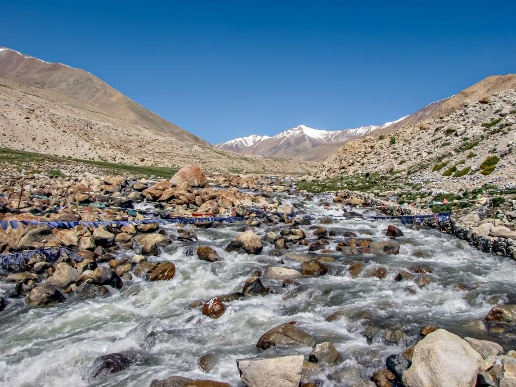
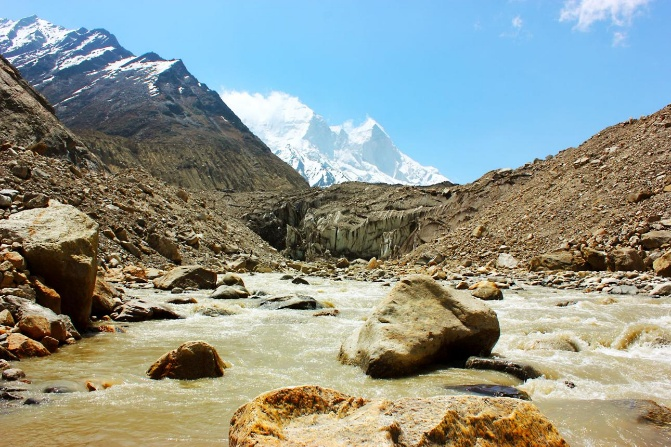
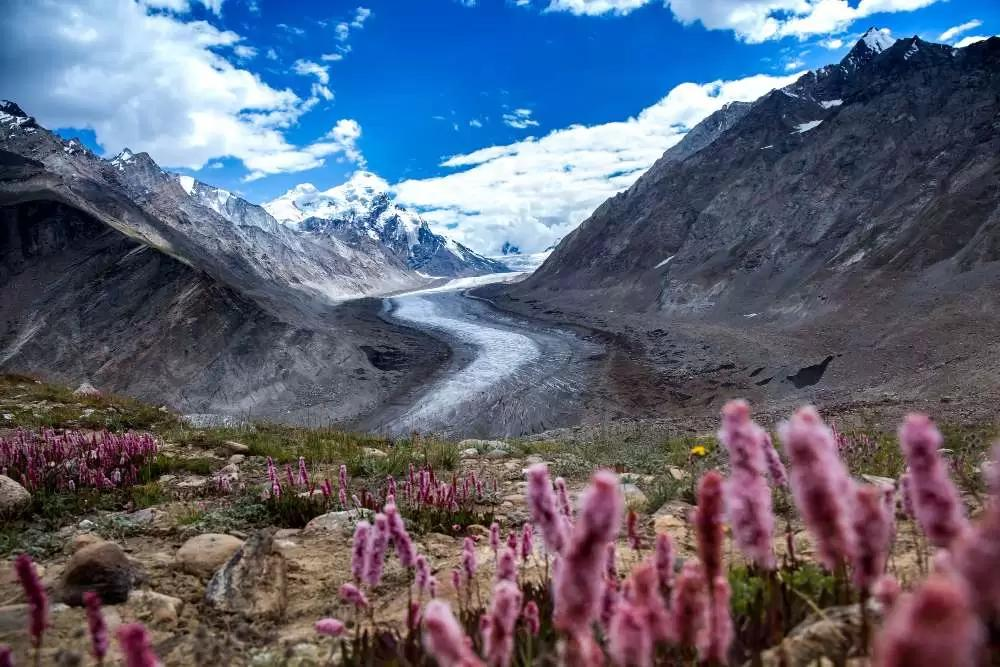
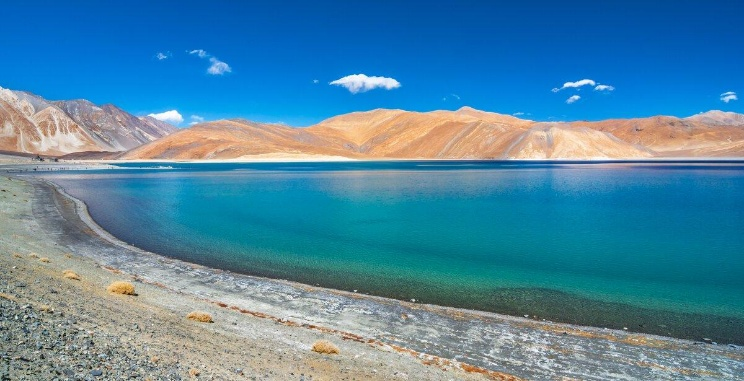
Ladakh: The Water Tower of North India
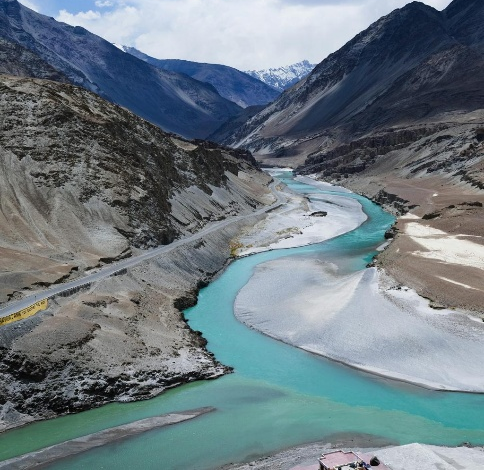
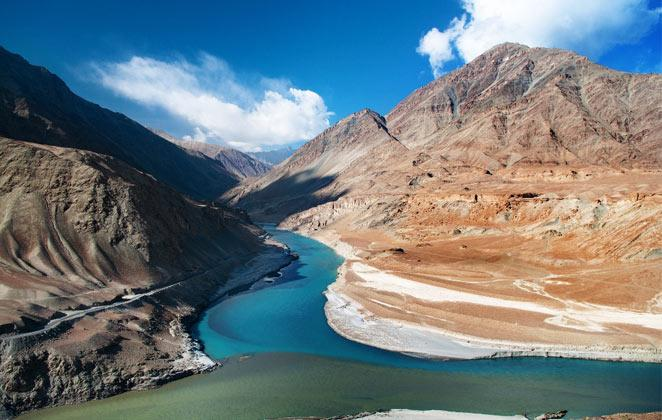
- Ladakh’s glaciers and snowfields feed the Indus River System.
- Meltwater from the Himalayas supports:
- Agriculture
- Drinking water
- Groundwater recharge
- across downstream regions.
- Punjab, Haryana and parts of northwestern India are indirectly dependent on Himalayan hydrology.
- Any ecological disruption in Ladakh can have cascading downstream impacts.
Why Land Matters
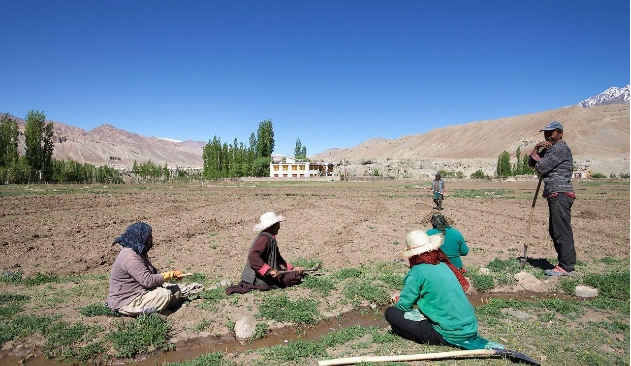
- Cultivable land in Ladakh is extremely scarce.
- The region is a cold desert with limited water availability.
- Local communities fear that rapid development may alter traditional land ownership patterns.
- Concerns have emerged over rising land prices and increased external investment.
Ailan No. 38
- A regulation dating back to the Dogra period.
- Deals with ownership and cultivation of barren land (Nautor land).
- Recent proposals regarding land ceilings and ownership have generated local opposition.
- Many residents view land protection as essential to preserving Ladakh’s social and ecological fabric.
Why Ladakh Wants Constitutional Safeguards
Protection of Tribal Identity
- Nearly 97% of Ladakh’s population belongs to Scheduled Tribes.
- Residents fear demographic and cultural changes without constitutional protection.
- Control Over Natural Resources
- Demand for local control over:
- Land
- Forests
- Water resources
- Environmental regulation
- Local groups argue that development decisions should reflect ecological realities.
Administrative Accountability
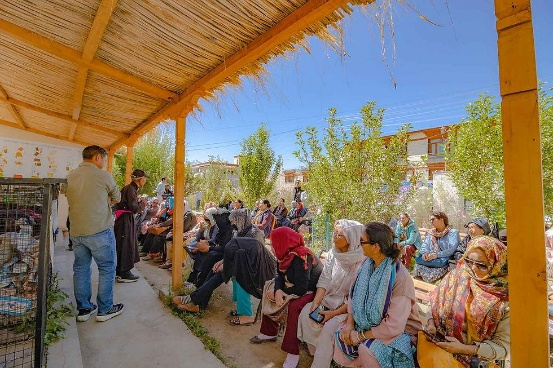
- Demand for elected institutions with meaningful powers.
- Greater accountability of bureaucracy to local representatives.
- Increased participation in decision-making regarding development projects.
Article 371(K): Proposed Constitutional Framework
What is Being Discussed?
The Centre is considering a special constitutional arrangement similar to provisions available under Article 371 for other states.
Possible features include:
- Protection of land rights
- Safeguards for local culture and language
- Control over environmental resources
- Greater powers to an elected local body
- Administrative oversight over local governance matters
However, the exact framework remains under discussion.
Sixth Schedule vs Article 371(K)
Sixth Schedule | Proposed Article 371(K) |
Autonomous District Councils | UT-level elected body |
Applicable mainly to Northeast | Special arrangement for Ladakh |
Decentralised governance | Unified territorial governance |
Limited powers | Potentially broader authority over land, culture and environment |
Climate Change Dimension
Glacial Retreat
- Himalayan glaciers are shrinking due to rising temperatures.
- Reduced snow accumulation affects river flows.
- Water availability may become increasingly uncertain.
Fragile Mountain Ecology
- Ladakh is one of India’s most climate-sensitive regions.
- Increased tourism, infrastructure expansion and urbanisation place additional pressure on ecosystems.
- Sustainable development has become a key governance challenge.
Broader Significance
For India
- Balancing national security with local autonomy.
- Developing governance models for ecologically fragile regions.
- Ensuring sustainable development in strategic border areas.
For Northern India
- Water security of Punjab, Haryana and downstream regions.
- Protection of Himalayan ecosystems.
- Climate resilience and disaster risk reduction.
Conclusion
The Ladakh autonomy debate is no longer merely a question of constitutional safeguards or political representation. It is increasingly a debate about who governs a fragile Himalayan ecosystem that sustains millions downstream. As climate change accelerates and developmental pressures grow, Ladakh’s future may provide an important model for balancing democracy, ecological stewardship, and strategic governance in India’s mountain regions.